Introduction
In the rapidly evolving world of website development, businesses are constantly searching for platforms that offer speed, flexibility, scalability, and powerful design capabilities. As digital competition increases, companies need websites that not only look professional but also perform exceptionally well in terms of SEO, user experience, and performance.
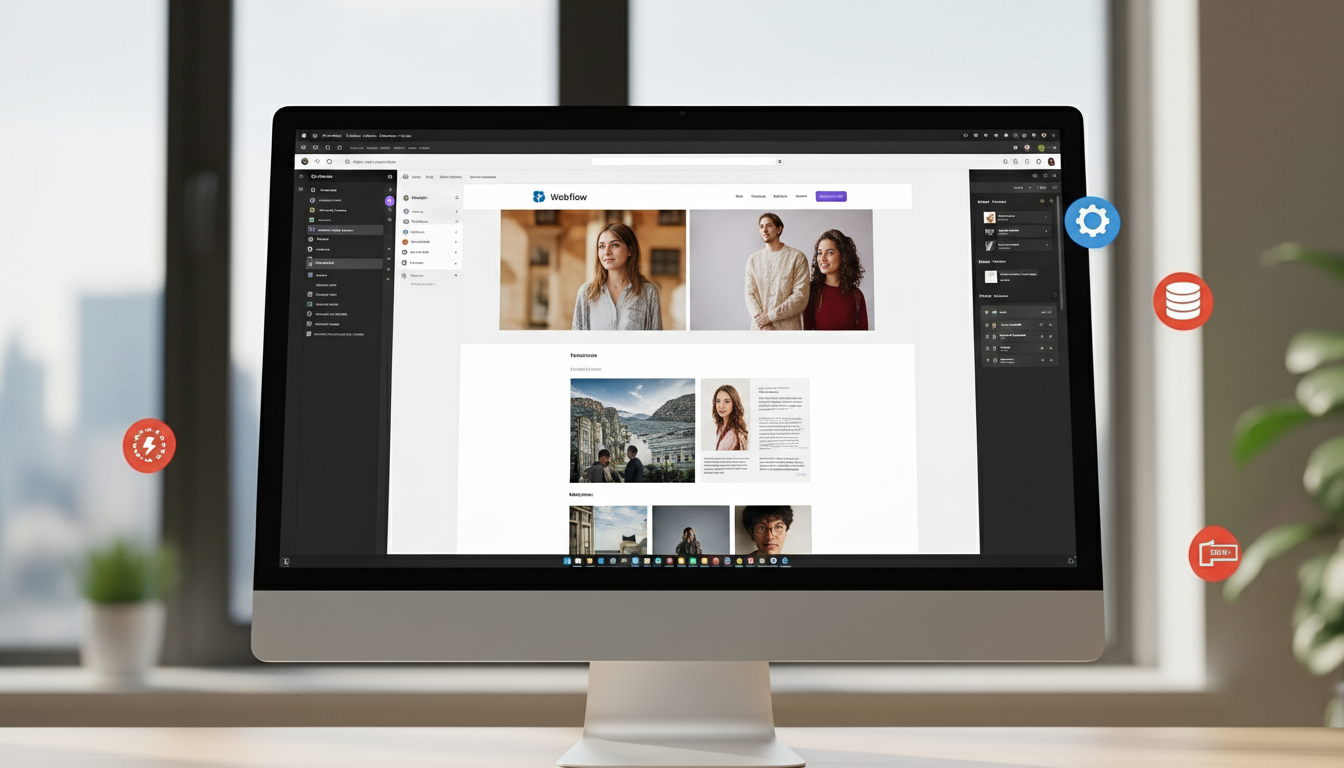
Over the past few years, Webflow has emerged as one of the most powerful platforms for building modern websites. By combining visual design tools, clean code generation, powerful CMS capabilities, and built-in hosting, Webflow allows businesses and designers to build professional websites without relying heavily on traditional coding workflows.
In 2026, Webflow continues to stand out as one of the best website builders for startups, agencies, and growing businesses. Its unique combination of design freedom and development-level control makes it an ideal solution for companies that want both flexibility and performance.
In this guide, we will explore why Webflow has become the preferred platform for modern website development and how it compares with traditional website builders.
The Evolution of Website Builders
Before modern website builders existed, creating a website required extensive coding knowledge and development resources. Businesses had to rely on developers to manually write HTML, CSS, JavaScript, and backend infrastructure just to launch a basic website.
Over time, platforms like WordPress, Wix, and Squarespace simplified website creation by introducing templates and drag-and-drop builders. While these tools made website creation more accessible, they often limited design flexibility and required plugins to add advanced functionality.
Webflow represents the next generation of website development tools. It allows designers to visually build websites while generating clean production-ready code in the background. This eliminates many of the limitations found in traditional website builders.
What Makes Webflow Different
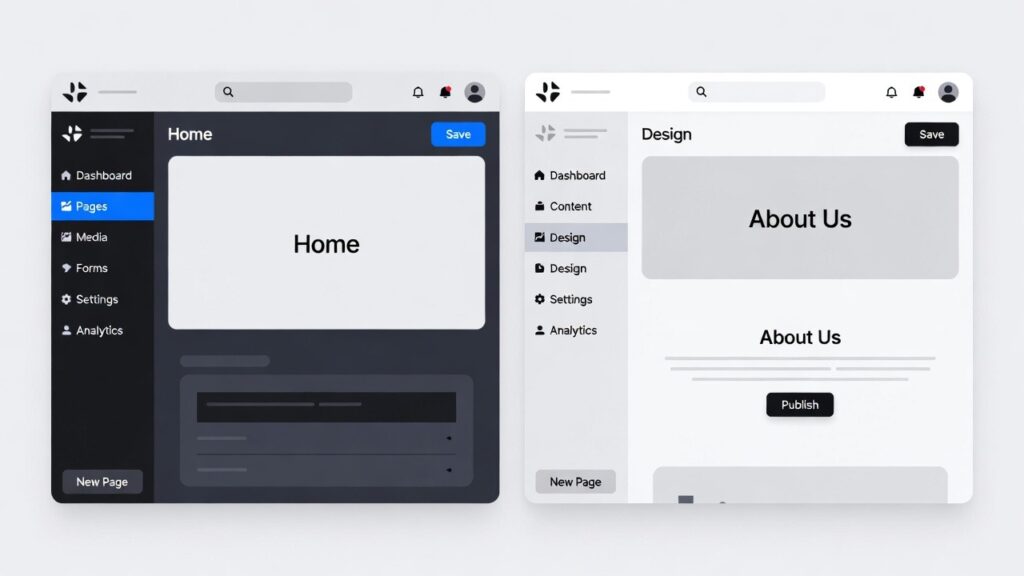
Webflow stands out because it bridges the gap between design and development.
Traditional website builders typically fall into two categories:
- Easy-to-use builders with limited customization
- Powerful developer frameworks that require coding
Webflow combines the best of both worlds by allowing designers to create complex layouts visually while maintaining the flexibility developers expect.
This approach provides several advantages:
- No need for heavy plugin ecosystems
- Full design control
- Built-in CMS functionality
- High-performance hosting
- Better SEO infrastructure
These capabilities make Webflow particularly attractive for businesses that want to scale their digital presence efficiently.
Visual Development Without Code Limitations
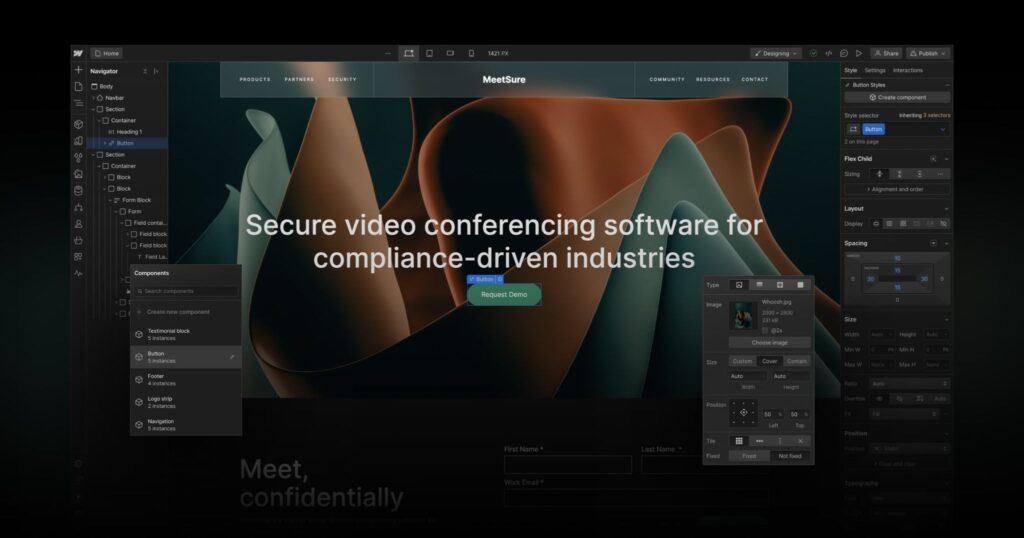
One of Webflow’s biggest strengths is its visual development environment.
Instead of writing CSS manually, designers can control layout, spacing, responsiveness, and animations directly within the interface. Webflow translates these visual adjustments into clean CSS and HTML automatically.
This allows teams to:
- Build complex layouts faster
- prototype designs quickly
- launch websites without development delays
The platform also supports advanced interactions and animations, allowing websites to feel modern and dynamic without requiring additional JavaScript frameworks.
Powerful Content Management Syste
Content plays a critical role in modern websites. Businesses regularly publish blog posts, case studies, landing pages, and marketing campaigns.
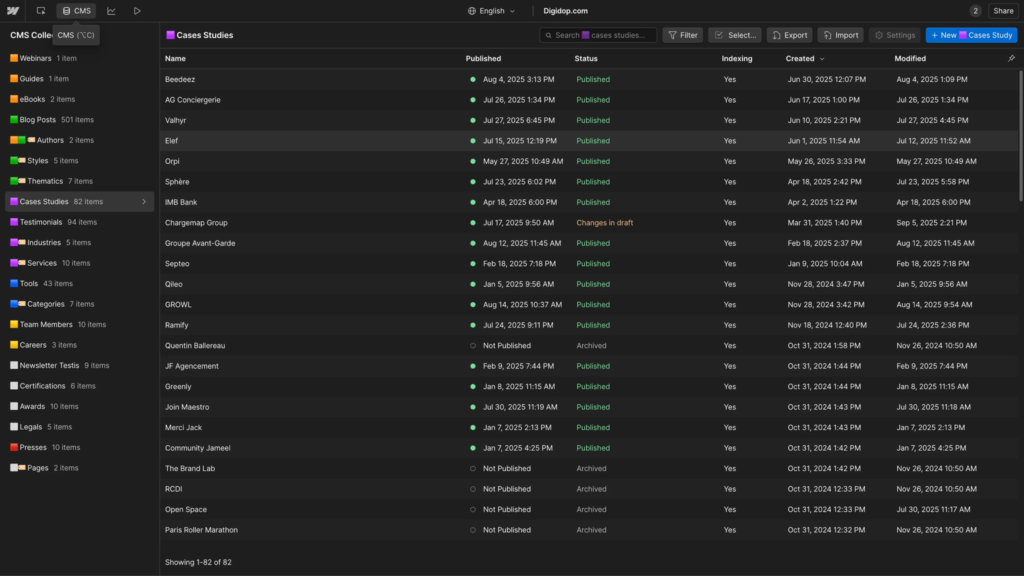
Webflow includes a powerful built-in content management system (CMS) that allows teams to manage dynamic content easily.
With Webflow CMS, businesses can create structured content types such as:
- Blog posts
- Team profiles
- Portfolio projects
- Testimonials
- Product listings
Unlike many website builders that limit CMS customization, Webflow allows developers to design fully custom layouts connected to CMS content.
This makes it ideal for businesses that rely heavily on content marketing and SEO strategies.
Built-In Hosting and Performance
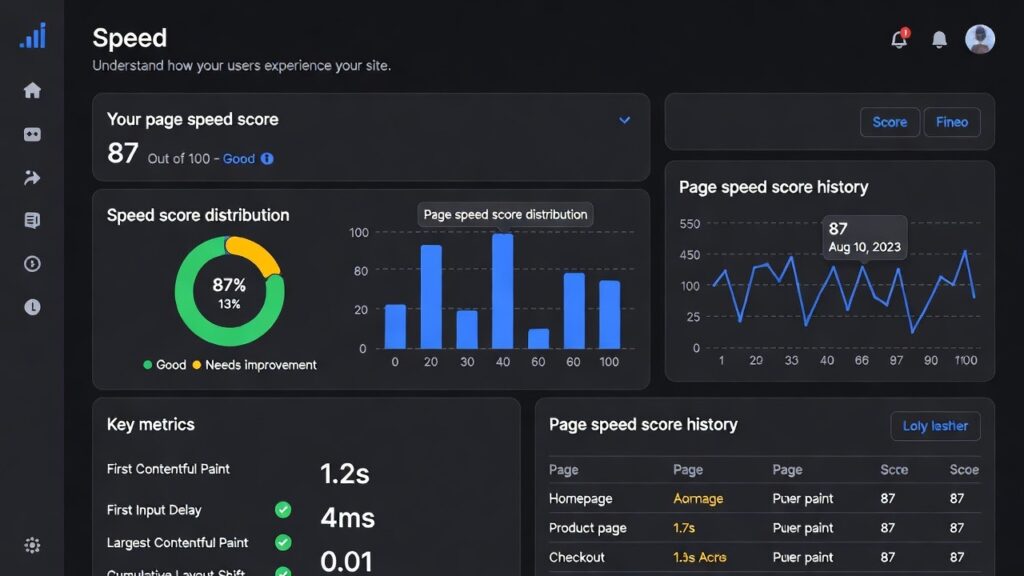
Website performance plays a critical role in both user experience and search engine rankings.
Slow websites often lead to higher bounce rates and lower conversion rates. Webflow solves this problem by offering built-in hosting powered by global CDN infrastructure.
This provides several benefits:
- Faster loading times
- global content delivery
- improved reliability
- automatic security updates
- SSL certificates included
Because hosting is integrated directly with the platform, businesses do not need to manage external servers or complex deployment workflows.
SEO Advantages of Webflow
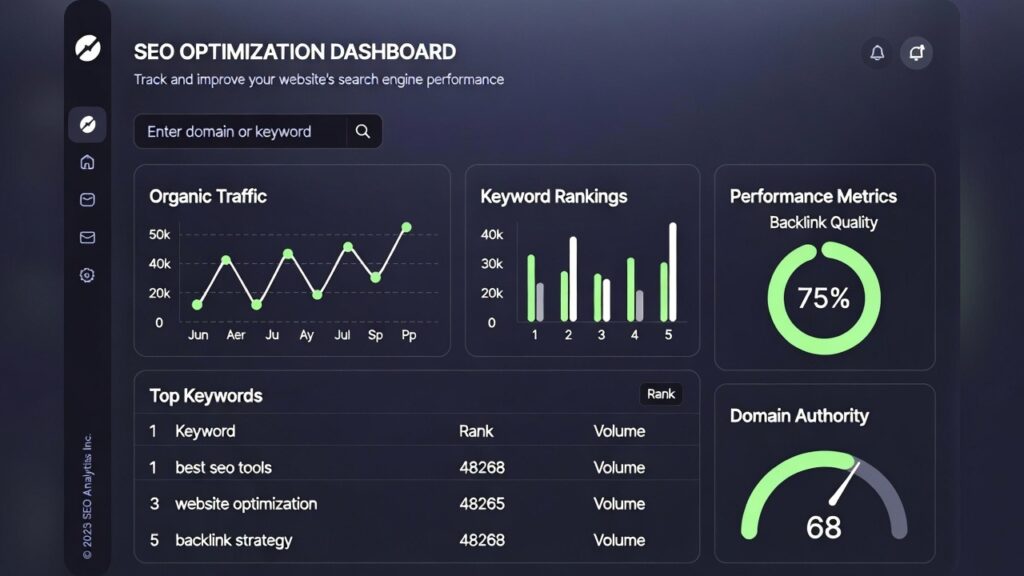
Search engine optimization is essential for businesses looking to attract organic traffic from Google.
Webflow provides strong SEO capabilities directly within its platform.
Users can easily control:
- Meta titles and descriptions
- URL structure
- Open Graph settings
- image alt text
- schema markup
- canonical tags
This level of control makes Webflow an excellent platform for implementing advanced SEO strategies.
Additionally, Webflow websites typically generate clean code with minimal bloat, which improves page speed and search engine performance.
Design Flexibility for Modern Brands
Branding and visual identity have become increasingly important for businesses operating online.
Many traditional website builders restrict design flexibility by forcing users to rely on rigid templates.
Webflow solves this issue by allowing designers to create fully custom layouts without template restrictions.
This means businesses can build unique digital experiences that align perfectly with their brand identity.
Professional UI/UX workflows often involve tools like Figma or Adobe XD, which can then be translated directly into Webflow during development.
This streamlined design-to-development workflow significantly improves project efficiency.
Integrations and Automation
Modern businesses rely on numerous digital tools to manage marketing, analytics, and customer relationships.
Webflow integrates with a wide range of external platforms, including:
- marketing automation tools
- analytics platforms
- CRM systems
- email marketing services
- automation tools like Zapier and Make
These integrations allow businesses to build powerful digital ecosystems that automate workflows and improve operational efficiency.
Automation tools can connect Webflow forms with CRM systems, marketing campaigns, and lead management pipelines.
Security and Reliability
Website security is a major concern for businesses handling sensitive customer data.
Webflow includes built-in security features that help protect websites against vulnerabilities.
Key security benefits include:
- automatic SSL encryption
- secure hosting infrastructure
- protection against common vulnerabilities
- automatic platform updates
Unlike self-hosted platforms that require manual security management, Webflow handles these processes automatically.
This reduces maintenance workload and improves overall website reliability.
Webflow vs Traditional Website Builders
Compared to traditional platforms, Webflow provides a more balanced solution between flexibility and usability.
While platforms like Wix and Squarespace prioritize simplicity, they often sacrifice design control and scalability.
WordPress offers flexibility but requires ongoing maintenance and plugin management.
Webflow provides a modern alternative by combining:
- visual development tools
- strong CMS capabilities
- built-in hosting
- advanced design control
This makes it particularly well-suited for marketing websites, startups, agencies, and SaaS companies.
The Future of Webflow
As the web continues to evolve, Webflow is expanding its ecosystem with new features such as:
- advanced collaboration tools
- improved CMS capabilities
- deeper integrations with marketing platforms
- enhanced performance optimization
These improvements position Webflow as a long-term solution for businesses that want scalable and future-ready websites.
Many agencies and digital teams are already adopting Webflow as their primary development platform due to its efficiency and flexibility.
Conclusion
Webflow has transformed how modern websites are designed and developed.
By combining visual design tools, clean code output, powerful CMS capabilities, and built-in hosting, Webflow allows businesses to create high-performance websites without traditional development limitations.
For companies looking to build scalable digital experiences, Webflow provides an ideal balance between design freedom, performance, and ease of management.
As we move further into 2026, Webflow continues to establish itself as one of the most powerful and future-ready website builders available.