Introduction
Artificial intelligence is transforming how designers work. What once required hours of manual effort can now be completed in minutes using powerful AI tools.
From generating UI layouts to editing images, creating animations, writing copy, and prototyping websites, AI is rapidly becoming an essential part of the modern design workflow.
Designers who embrace AI tools are able to work faster, experiment more creatively, and deliver better results for clients and businesses.
In this guide, we will explore some of the most powerful AI tools that every designer should consider using in 2026 and how they can dramatically improve productivity and creativity.
Why AI Tools Are Changing the Design Industry
The design industry has always evolved alongside technology. Today, AI is the next major shift.
Modern AI tools can assist designers in multiple ways:
• Generating design ideas
• Creating images and illustrations
• Automating repetitive tasks
• Improving workflow efficiency
• Enhancing creative exploration
Rather than replacing designers, AI acts as a creative assistant, helping designers focus more on strategy, storytelling, and user experience.
1. Figma AI – The Future of Collaborative Design
Overview
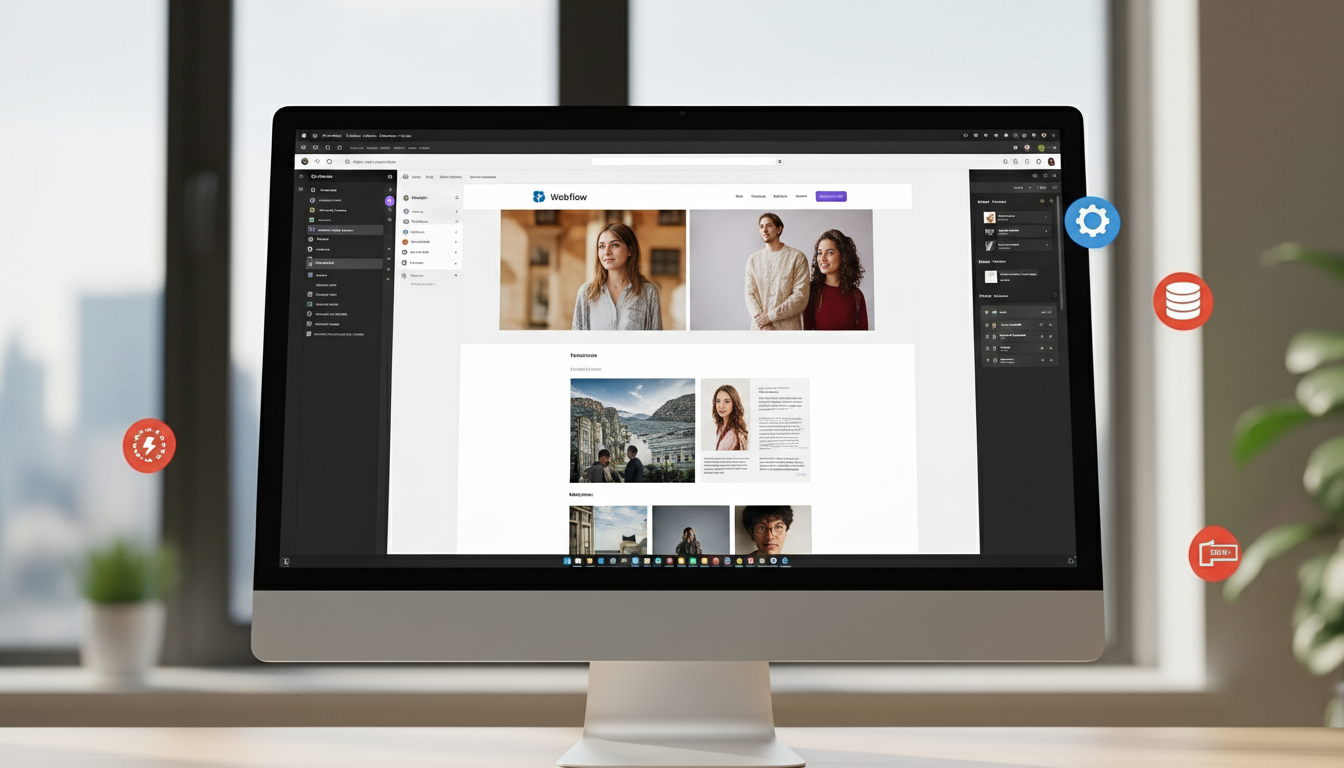
Figma has become one of the most popular design platforms for UI and UX designers. With the introduction of AI-powered features, the platform is becoming even more powerful.
Figma AI helps designers generate layouts, automate design systems, and speed up repetitive tasks.
Key Features
Some of the most useful AI capabilities include:
• Automatic layout suggestions
• AI-generated UI components
• Smart design resizing
• Content generation for mockups
• Design system automation
These features make it easier for teams to collaborate and iterate quickly.
Why Designers Love It
Figma is especially valuable for designers working on:
• Website interfaces
• Mobile applications
• Product dashboards
• Design systems
• User journey prototypes
Because of its collaborative nature, teams can design, review, and update projects in real time.
2. Midjourney – AI Image Generation for Designers
(example AI-generated digital artwork image)
Overview
Midjourney is one of the most powerful AI tools for generating high-quality images and illustrations.
Designers can simply write a prompt describing the image they want, and the AI will generate multiple variations in seconds.
What Designers Use Midjourney For
Midjourney can help create:
• Concept art
• Marketing visuals
• Website hero images
• Brand illustrations
• Product mockups
Many designers use Midjourney during the early concept stage to quickly generate visual ideas before refining them further.
3. Adobe Firefly – AI for Creative Professionals
(example AI-generated image editing interface)
Overview
Adobe Firefly is Adobe’s AI-powered creative engine that integrates directly with tools like Photoshop and Illustrator.
This allows designers to use AI within their existing workflows.
Key Capabilities
Adobe Firefly provides powerful AI features such as:
• Text-to-image generation
• AI background removal
• Generative fill
• Vector generation
• Style transfer
These features make image editing significantly faster and more flexible.
4. Runway ML – AI Video and Motion Design
(example AI video editing interface image)
Overview
Runway ML is an AI-powered video and motion design platform that helps designers create professional video content without advanced editing skills.
This tool is especially useful for motion designers and content creators.
What You Can Create
Runway ML enables designers to generate:
• AI-powered video edits
• Motion graphics
• Animated visuals
• Background removal for video
• AI video generation
This significantly reduces the time required for creating dynamic visual content.
5. Canva AI – Simple AI Design for Everyone
(example Canva design dashboard image)
Overview
Canva has integrated AI features that help designers quickly create graphics, presentations, and social media content.
While Canva is often associated with beginner designers, its AI tools are becoming increasingly powerful.
AI Features
Canva AI includes:
• Magic Design suggestions
• AI image generation
• Automatic layout creation
• Background remover
• Text generation tools
This allows designers to rapidly produce marketing content and visual assets.
6. ChatGPT – AI for Creative Ideation
Overview
AI language models are becoming powerful tools for designers.
Designers use AI assistants to generate ideas, improve design concepts, and write creative copy.
How Designers Use AI Assistants
AI tools help designers with:
• brainstorming design concepts
• generating UI copy
• writing marketing headlines
• creating UX microcopy
• researching design trends
By speeding up ideation, designers can spend more time refining visuals and user experience.
AI Tools for Website and UI Designers
AI is especially valuable for designers working on websites and digital products.
These tools help designers accelerate their workflow while maintaining creativity.
Examples include:
• UI layout generators
• AI wireframe creators
• automated color palette tools
• typography suggestion tools
Many digital agencies are now integrating AI tools into their workflows to deliver projects faster and more efficiently.
Benefits of Using AI Tools in Design
Designers who adopt AI tools often experience significant improvements in their workflow.
Faster Design Process
AI automates repetitive tasks such as resizing layouts, generating content, and organizing assets.
This allows designers to focus on creativity rather than technical tasks.
Better Creative Exploration
AI tools can generate hundreds of visual variations in seconds, enabling designers to explore more creative directions.
Improved Productivity
AI dramatically reduces the time required to complete design tasks.
Projects that once took days can now be completed in hours.
Stronger Collaboration
Many AI tools integrate with collaborative platforms, allowing teams to work together more efficiently.
The Future of AI in Design
Artificial intelligence will continue to play a major role in shaping the future of design.
In the coming years, we can expect AI to assist designers with:
• automatic UI generation
• intelligent design systems
• personalized user experiences
• predictive design recommendations
• automated website development
However, creativity, storytelling, and human insight will remain essential parts of the design process.
AI will not replace designers — it will empower them.
Conclusion
AI tools are rapidly becoming essential for modern designers.
By integrating AI into their workflow, designers can work faster, explore more creative possibilities, and deliver higher-quality results.
Whether you are a UI designer, graphic designer, motion designer, or digital artist, AI tools can significantly enhance your creative process.
Designers who embrace these technologies will be better prepared for the future of the industry.