Introduction
A website is more than just a digital presence—it’s a conversion machine.
Even if your products or services are exceptional, a poorly designed website can lose potential customers before they even engage.
Good design doesn’t just make your website look attractive; it guides users, builds trust, and drives action. In this guide, we’ll explore how good design improves website conversions and how businesses can leverage UI/UX strategies, branding, and interactive elements to increase leads, sales, and engagement.

Why Design Matters for Conversions
Every element on a website—colors, typography, layout, buttons, images—affects user behavior.
A well-designed website:
- Builds Trust – Professional visuals and consistent branding make users feel confident about your business.
- Guides Users – Good design directs attention to CTAs (calls to action) and important sections.
- Reduces Friction – Simplified navigation and intuitive layouts prevent users from leaving.
- Enhances Readability – Clear typography and structured content make information easy to digest.
- Supports Emotionally Engaging Experiences – Visual storytelling can influence decisions subconsciously.
In other words, design is not just decoration—it’s a conversion tool.
Key Design Elements That Boost Conversions
Here’s a breakdown of the most important design elements for high-converting websites:
1. User-Friendly Navigation
A clear navigation structure ensures users find what they need quickly.
Tips:
- Use a simple menu with 5–7 main items.
- Group content logically (services, pricing, portfolio, blog).
- Add breadcrumbs for complex websites.
- Include a prominent search bar.
At Webhorus, we focus on UI/UX strategies that guide users intuitively from homepage to conversion page.
2. Visual Hierarchy and Layout
Users scan websites in patterns (like F-pattern or Z-pattern).
A strong visual hierarchy ensures that the most important content is seen first.
- Use size, color, and contrast to emphasize CTAs.
- Break content into sections with headings.
- Avoid clutter to prevent decision fatigue.
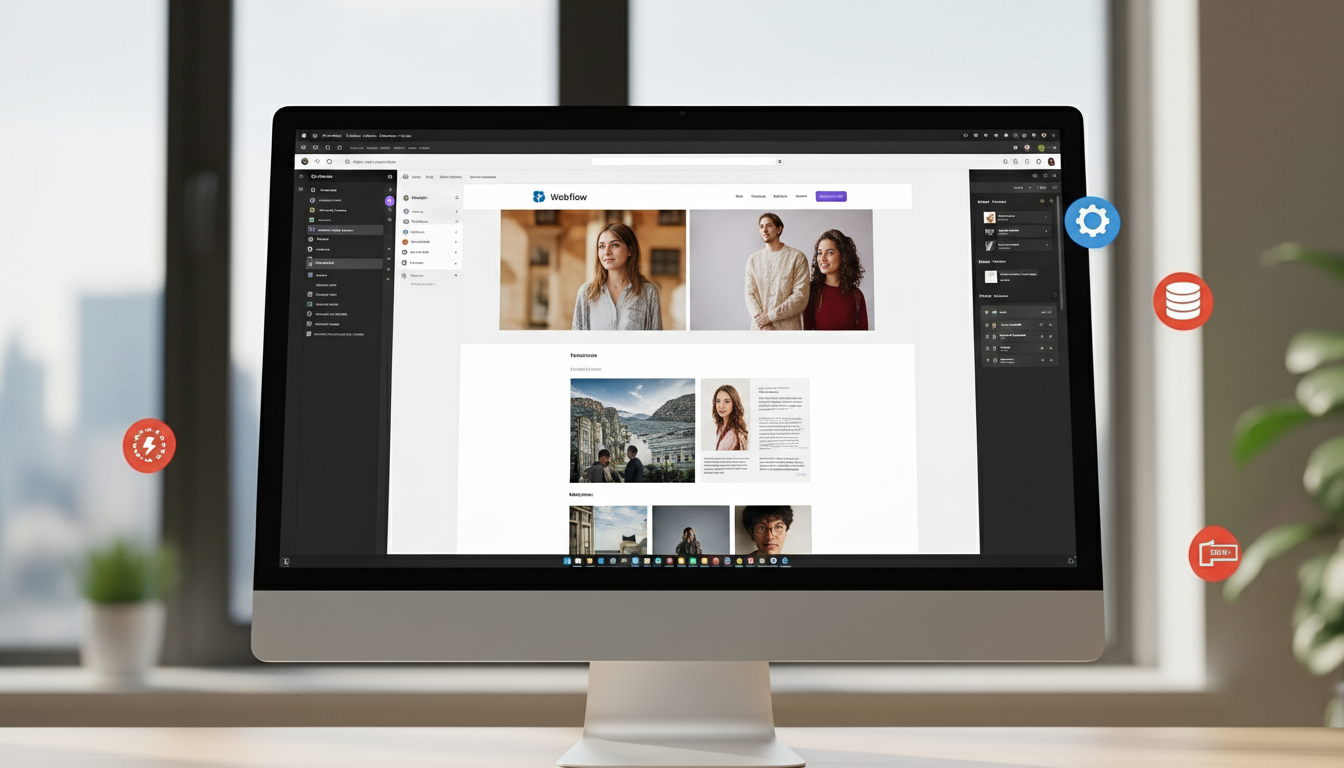
Platforms like Webflow and Figma allow designers to test layouts before building them, ensuring optimal engagement.
3. Compelling Call-to-Action (CTA) Design
CTAs are the primary conversion drivers.
Design considerations:
- Color should stand out from the rest of the page.
- Text should be action-oriented (e.g., “Start Your Free Trial” or “Get Your Quote”).
- Placement should follow the user journey, ideally in multiple sections.
Good CTA design can increase conversions by up to 200%, according to UX research.
4. Consistent Branding and Visual Identity
Consistency across colors, fonts, imagery, and tone builds trust and recognition.
- Align your website with your brand identity (logo, colors, typography).
- Use consistent iconography and button styles.
- Include high-quality visuals that resonate with your audience.
A cohesive brand experience reassures users they are in the right place, making them more likely to convert.
5. Responsive and Mobile-First Design
With over 60% of web traffic coming from mobile devices, responsive design is critical.
Mobile-friendly design ensures:
- Buttons and links are easily clickable.
- Text is readable without zooming.
- Forms are short and user-friendly.
Good mobile design reduces friction, increases engagement, and directly impacts conversions.
6. Interactive Elements and Micro-Animations
Small interactions can capture attention and guide behavior.
Examples:
- Hover effects on buttons
- Animated icons for key features
- Progress indicators during checkout
- Interactive product showcases
Services like Motion Graphics and Kinetic Animations offered by Webhorus bring websites to life, enhancing user engagement and conversion potential.
7. Optimized Forms and Landing Pages
Forms are one of the most important conversion points on a website.
- Keep forms short and simple.
- Use visual cues for required fields.
- Provide real-time validation for errors.
- Include persuasive copy near the submit button.
Landing pages should focus on one clear conversion goal, avoiding distractions. Services like Landing Page Optimization improve these experiences.
Psychology of Design and Conversions
Good design taps into human psychology.
- Color Psychology – Red may create urgency, blue builds trust, green signals growth or success.
- Whitespace – Proper spacing improves readability and draws attention to key elements.
- F-Pattern Reading – Users naturally scan in patterns; place critical information along these paths.
- Social Proof – Testimonials, reviews, and client logos increase trust and credibility.
Design and psychology work together to nudge users toward action.
Measuring the Impact of Good Design
To ensure design improves conversions, track metrics:
- Click-through rates (CTR)
- Bounce rate
- Conversion rate (form submissions, purchases)
- Average session duration
- Scroll depth
Tools like Google Analytics, Hotjar, and Webflow analytics help analyze user behavior and optimize design accordingly.
Real-World Example: Webhorus Approach
At Webhorus, we combine:
- Figma UI/UX Design for wireframes and prototypes
- Webflow Development for fast, responsive websites
- SEO / AEO to ensure visibility
- Motion Graphics & Interactive Elements to increase engagement
- Landing Page Optimization to drive leads
This end-to-end approach ensures our clients see higher conversion rates, better user engagement, and measurable ROI.
Conclusion
Good design is not optional; it is a strategic conversion tool.
From intuitive navigation and visual hierarchy to compelling CTAs and interactive elements, every design decision impacts how users interact with your website.
Businesses that invest in professional design with agencies like Webhorus consistently see higher engagement, stronger brand perception, and increased conversions.
Design is no longer just “making things pretty”—it’s about creating measurable business outcomes.