Introduction
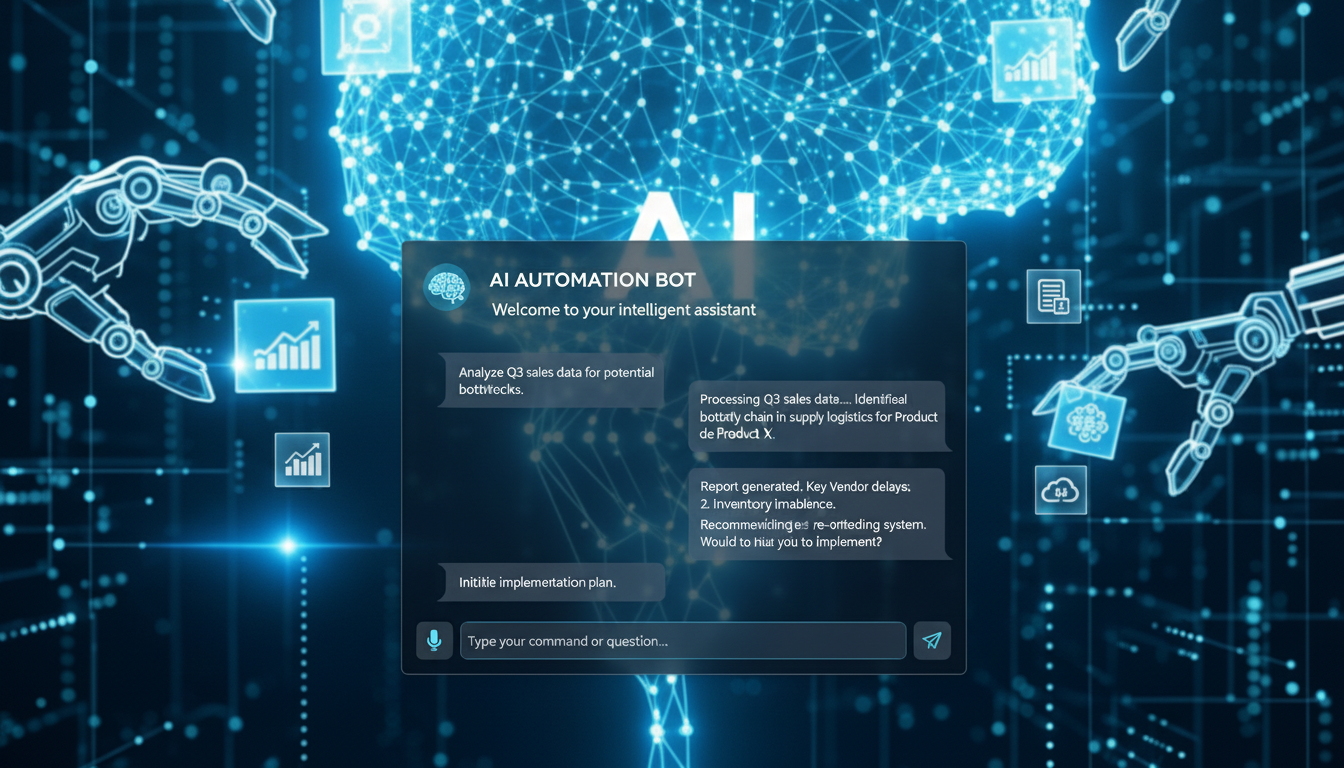
Artificial Intelligence is rapidly reshaping how websites are designed, developed, and optimized. What once required large teams of developers and designers can now be accelerated through intelligent automation, predictive design tools, and AI-powered development platforms.
From automated coding assistants to AI-driven UX optimization, artificial intelligence is enabling businesses to create better digital experiences faster than ever before.
For startups, agencies, and growing businesses, AI is no longer just a trend — it is becoming an essential part of modern web development workflows.
At Webhorus, we are seeing firsthand how AI technologies are transforming how websites are built, optimized, and managed.
In this guide, we explore how AI is revolutionizing website development and what it means for businesses in 2026 and beyond.
Key Takeaways
Before diving deeper, here are the most important ways AI is changing website development.
• AI accelerates website design and development workflows
• Intelligent tools help optimize user experience automatically
• AI-powered SEO improves website visibility and ranking
• Automated testing helps detect bugs and usability issues faster
• AI chatbots improve customer support and engagement
• Businesses can now build smarter websites with fewer resources
These innovations are allowing companies to build more intelligent, data-driven digital experiences.
The Evolution of Website Development
Website development has evolved dramatically over the last two decades.
Early websites required developers to manually write large amounts of HTML, CSS, and JavaScript. Even simple updates could require extensive coding knowledge.
Over time, platforms like Webflow, WordPress, Shopify, and Framer simplified development through visual builders and content management systems.
Today, artificial intelligence is taking this transformation even further.
AI is not just assisting developers — it is actively participating in the development process by generating code, suggesting design improvements, and analyzing user behavior.
AI-Powered Website Design
One of the most noticeable impacts of AI is in website design.
Traditional design processes often involve multiple stages including wireframes, prototypes, and design iterations. AI tools can now accelerate these steps significantly.
Modern AI-powered design systems can:
• Generate layout suggestions
• Recommend color palettes
• Optimize typography
• Create responsive design variations
• Analyze user interaction data
Design tools integrated with AI can even generate complete design concepts based on simple prompts or brand guidelines.
This allows designers to focus more on creative strategy rather than repetitive tasks.
AI-Assisted Development
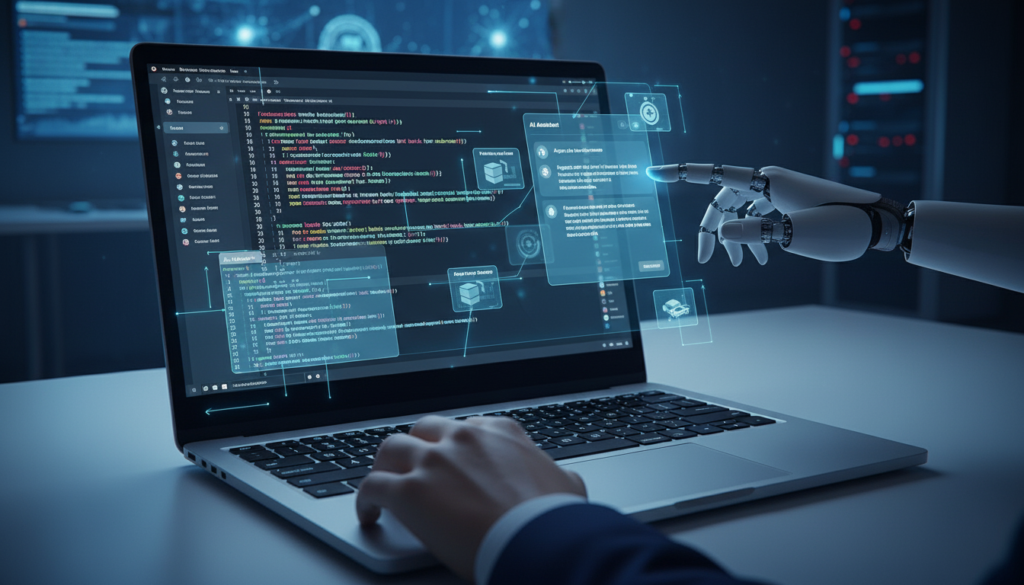
AI is also transforming the coding process itself.
Developers now use intelligent coding assistants that can:
• Generate code snippets
• Suggest improvements
• detect bugs automatically
• optimize performance
• write documentation
These AI-powered tools significantly reduce development time while improving code quality.
Instead of spending hours debugging or researching solutions, developers can rely on AI suggestions to accelerate problem solving.
This shift is allowing development teams to move faster and focus on building more advanced digital experiences.
AI and Website Personalization
Another major advantage of AI is its ability to personalize website experiences for users.
Traditional websites display the same content to every visitor. AI-powered systems can dynamically adjust content based on user behavior and preferences.
For example, AI can analyze:
• browsing behavior
• purchase history
• geographic location
• device type
• user engagement patterns
Based on this data, websites can automatically adjust:
• homepage content
• product recommendations
• marketing messages
• navigation structure
This level of personalization improves user engagement and increases conversion rates.
AI and SEO Optimization
Search engine optimization is another area where AI is making a significant impact.
Modern AI-powered SEO tools can analyze search data, competitor websites, and keyword trends to recommend improvements.
AI can help businesses:
• discover high-value keywords
• optimize content structure
• analyze competitor strategies
• improve technical SEO
• predict search trends
AI-driven strategies like Answer Engine Optimization (AEO) are becoming increasingly important as search engines and AI assistants prioritize direct answers to user queries.
These technologies help businesses improve visibility and attract more organic traffic.
AI Chatbots and Customer Interaction
AI-powered chatbots are becoming an essential feature for modern websites.
Instead of waiting for customer support teams to respond, visitors can instantly interact with intelligent assistants.
AI chatbots can:
• answer customer questions
• provide product recommendations
• schedule appointments
• capture leads
• guide users through websites
These systems improve customer experience while reducing the workload on support teams.
Businesses can now provide 24/7 customer assistance without increasing staffing costs.
AI and Website Performance Optimization
Performance optimization is critical for both user experience and search rankings.
AI tools can monitor website performance in real time and recommend improvements.
These systems can analyze:
• page load times
• server response speeds
• image optimization
• script performance
• mobile responsiveness
By continuously monitoring performance metrics, AI helps ensure websites remain fast and reliable.
AI in Marketing Automation
AI is also transforming how businesses manage marketing campaigns connected to their websites.
Marketing automation platforms powered by AI can:
• segment audiences automatically
• send personalized email campaigns
• track customer journeys
• optimize advertising campaigns
• predict customer behavior
These systems allow businesses to create highly targeted marketing strategies with minimal manual effort.
This integration between websites and AI-driven marketing tools is creating powerful growth opportunities for businesses.
AI Agent Development and the Future of Websites
One of the most exciting developments in AI is the rise of intelligent digital agents.
AI agents are capable of performing complex tasks across websites and digital platforms.
These agents can:
• interact with users conversationally
• automate business workflows
• analyze customer data
• assist with product recommendations
• support customer service operations
As AI technology continues to evolve, websites will become increasingly intelligent and interactive.
Instead of static pages, future websites will behave more like adaptive digital assistants.
Challenges and Considerations
Despite its advantages, integrating AI into website development also presents challenges.
Businesses must consider factors such as:
• data privacy and security
• ethical use of AI
• algorithm bias
• transparency in automated decision making
Responsible implementation of AI technologies is essential to maintain trust with users.
Companies should ensure that AI enhances user experience rather than replacing human judgment entirely.
The Future of AI in Website Development
Looking ahead, AI will continue to reshape how websites are created and managed.
Future innovations may include:
• fully automated website generation
• AI-driven UX optimization
• predictive website personalization
• voice-based website navigation
• advanced conversational interfaces
Businesses that embrace these technologies early will gain a significant competitive advantage.
Conclusion
Artificial intelligence is transforming website development at every stage — from design and coding to SEO, marketing, and customer interaction.
AI tools are helping businesses build faster, smarter, and more personalized digital experiences.
By combining modern development platforms with intelligent automation, companies can create websites that are not only visually appealing but also highly optimized for growth.
At Webhorus, we help businesses integrate modern development technologies, AI solutions, and performance optimization strategies to build future-ready websites.
As AI continues to evolve, websites will become more intelligent, interactive, and adaptive — opening new opportunities for businesses in the digital world.